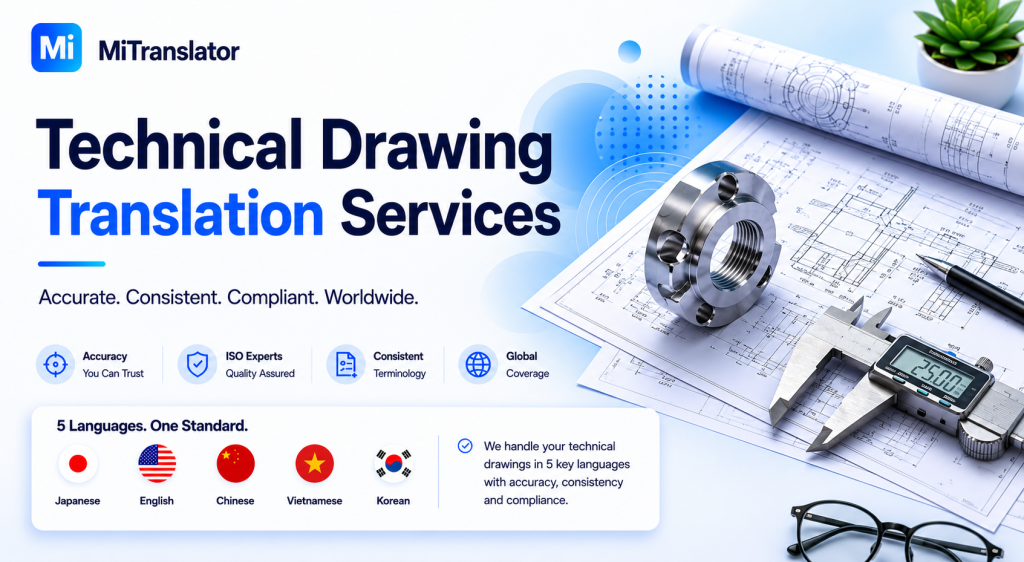
Technical drawings are among the most critical documents used in engineering, manufacturing, construction, architecture, and industrial operations. They communicate precise specifications, dimensions, materials, assembly requirements, and production instructions that guide every stage of a project. When organizations work across international markets, technical drawing translation becomes essential for ensuring clear communication between engineers, manufacturers, contractors, suppliers, and clients.
Professional technical drawing translation services help businesses avoid costly errors, maintain quality standards, and ensure that technical information is accurately understood regardless of language barriers.
What Are Technical Drawing Translation Services?
Technical drawing translation involves translating text, annotations, labels, notes, legends, specifications, and supporting information contained within engineering and technical drawings while preserving the original design, dimensions, and technical intent.
Unlike general translation, technical drawing translation requires expertise in engineering terminology, industry standards, and technical documentation.
Common technical drawings that require translation include:
- Mechanical drawings
- Manufacturing drawings
- CAD drawings
- Architectural drawings
- Civil engineering plans
- Electrical schematics
- Piping and Instrumentation Diagrams (P&ID)
- HVAC drawings
- Assembly drawings
- Product design drawings
- Construction blueprints
- Industrial equipment drawings
Because these documents directly impact production and project execution, accuracy is critical.
Why Technical Drawing Translation Matters
Supporting International Manufacturing
Manufacturers often produce components and products in different countries. Accurate translation ensures production teams understand technical requirements correctly.
Reducing Engineering Errors
Misinterpreted notes, specifications, or assembly instructions can result in production defects, rework, delays, and increased costs.
Improving Communication Across Teams
Engineering projects frequently involve multinational teams. Clear technical translations help engineers, contractors, suppliers, and clients collaborate effectively.
Ensuring Compliance with Industry Standards
Many technical drawings reference international standards, safety requirements, and regulatory specifications. Accurate translation helps maintain compliance and consistency.
Facilitating Global Project Delivery
Companies working on international construction, engineering, and industrial projects often need technical drawings translated for local teams and stakeholders.
Common Types of Information Requiring Translation
Technical drawings contain much more than dimensions and graphics. Common translatable content includes:
Drawing Notes
Engineering notes often contain critical instructions related to fabrication, installation, maintenance, or inspection requirements.
Material Specifications
Technical drawings frequently specify materials, coatings, tolerances, and performance requirements that must be accurately translated.
Bill of Materials (BOM)
Many drawings include detailed component lists that require consistent terminology across multiple documents.
Safety Instructions
Warnings, cautions, and safety-related information must be translated accurately to prevent accidents and operational risks.
Assembly and Installation Instructions
Assembly notes often provide essential guidance for manufacturing and installation teams.
Common Challenges in Technical Drawing Translation
Specialized Engineering Terminology
Engineering and manufacturing documents contain highly technical language that requires subject-matter expertise.
Different industries use unique terminology, including:
- Mechanical engineering
- Electrical engineering
- Construction
- Automotive manufacturing
- Aerospace
- Industrial automation
- Energy and utilities
- Electronics manufacturing
Limited Space Within Drawings
Technical drawings often have restricted space for annotations and labels. Translations must remain accurate while fitting within layout constraints.
Consistency Across Multiple Documents
Large projects may involve hundreds of drawings and technical documents. Consistent terminology is essential to avoid confusion and maintain project accuracy.
Industry Standards and Symbols
Translators must understand engineering standards, abbreviations, symbols, and technical conventions used in the relevant industry.
Risks of Poorly Translated Technical Drawings
Manufacturing Defects
Incorrect translations can lead to production errors, component failures, and product quality issues.
Project Delays
Misunderstood technical information often results in rework, approval delays, and missed project deadlines.
Increased Costs
Translation errors may require redesign, additional inspections, or replacement of incorrectly manufactured components.
Safety Hazards
Incorrectly translated warnings and technical instructions can create workplace safety risks.
Communication Breakdowns
Engineering projects depend on clear communication between multiple stakeholders. Translation errors can disrupt collaboration and decision-making.
Best Practices for Technical Drawing Translation
Work with Technical Translation Specialists
Professional translators with engineering and manufacturing expertise understand technical terminology and industry requirements.
Use Consistent Terminology Management
Approved glossaries and translation memories help maintain consistency across large engineering projects.
Verify Technical Accuracy
A professional technical drawing translation process should include:
- Translation
- Technical terminology review
- Editing and proofreading
- Engineering quality checks
- Final verification
Preserve Original Formatting
Drawing layouts, annotations, labels, and reference information should remain clear and usable after translation.
Support CAD and Engineering Formats
Professional translation providers should be able to work with common engineering formats while maintaining document integrity.
Industries That Commonly Require Technical Drawing Translation
Technical drawing translation is frequently required in:
- Manufacturing
- Construction
- Architecture
- Automotive
- Aerospace
- Electronics
- Energy and utilities
- Oil and gas
- Industrial equipment
- Medical device manufacturing
These industries rely on accurate technical documentation to maintain quality, safety, and operational efficiency.
How MITRANS Supports Technical Drawing Translation
MITRANS provides professional technical drawing translation services for engineering firms, manufacturers, construction companies, and multinational organizations.
Our services cover:
- CAD drawing translation
- Engineering drawing translation
- Manufacturing documentation
- Construction plans and blueprints
- Electrical diagrams
- Mechanical drawings
- Technical specifications
- Assembly instructions
- Bill of Materials (BOM)
- Industrial equipment documentation
MITRANS supports major language pairs commonly used in technical industries, including:
- English ↔ Vietnamese
- Chinese ↔ Vietnamese
- Korean ↔ Vietnamese
- Japanese ↔ Vietnamese
Our experienced technical translators combine language expertise with engineering knowledge to ensure accurate, consistent, and professional results.
Frequently Asked Questions
Why is technical drawing translation important?
Technical drawing translation helps ensure engineers, manufacturers, contractors, and project teams accurately understand technical requirements and specifications.
Can MITRANS translate CAD drawings?
Yes. MITRANS supports the translation of CAD drawings, engineering plans, manufacturing documents, and technical specifications.
How does MITRANS ensure technical accuracy?
We use specialized technical translators, terminology management systems, and multi-step quality assurance processes to ensure accuracy.
Can translated drawings maintain their original formatting?
Yes. We preserve layouts, annotations, labels, tables, and technical references whenever possible.
Is confidential engineering information protected?
Absolutely. MITRANS follows strict confidentiality procedures and secure document handling practices to protect proprietary technical information.
Contact MITRANS for Technical Drawing Translation Services
Accurate technical drawing translation is essential for successful engineering projects, manufacturing operations, and international collaboration. If your organization needs professional translation of CAD drawings, engineering plans, manufacturing documentation, construction blueprints, or other technical materials, MITRANS is ready to support you.
Contact MITRANS today for fast, accurate, and professional technical drawing translation services tailored to your industry and project requirements.